
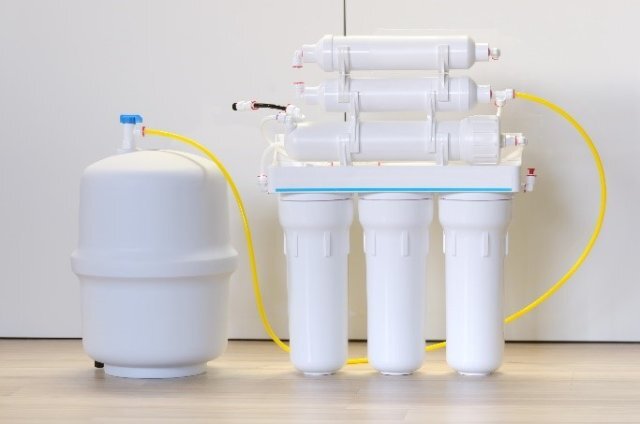
Reverse Osmosis purification has become one of the most trusted ways for Nigerian families to get clean drinking water. With boreholes becoming deeper, tanker water becoming less predictable, and municipal supply fluctuating in quality, many households now see RO as the most reliable option. Its ability to remove salts, iron, chemicals, and microorganisms makes it particularly useful in cities where water sources are a mix of contaminants. As interest continues to grow, so does a particular concern that almost every buyer eventually asks about: the issue of RO water waste.
Many people assume something is wrong with the purifier simply because water flows out through the reject outlet during use. Others believe the system is faulty or fear that they are throwing money away every time the purifier runs. These worries come from a misunderstanding of how RO works and what the so-called “wastewater” really is. In reality, the reject water plays an important role in achieving safe, drinkable water.
This article explains the truth about RO wastewater, how much is actually lost, and why the process is not as wasteful as it seems. You will also learn practical ways to reuse the rejected water at home so nothing goes to waste. Before assuming RO wastewater is useless, it is important to understand what it contains, why the purifier removes it, and how it can become a valuable part of your household routine.
Understanding RO Waste Water
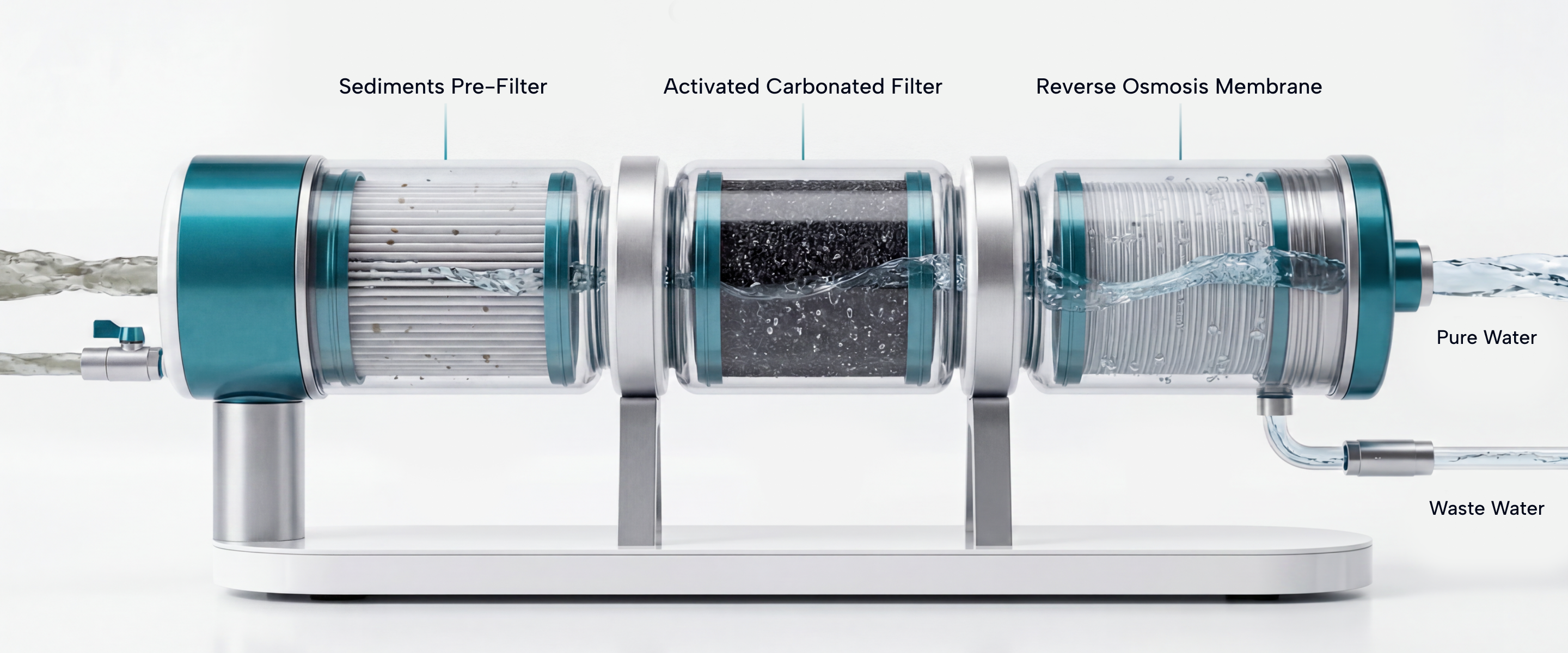
To understand why RO systems produce wastewater, you must first understand the basic principle behind Reverse Osmosis. RO purification works by pushing water through a very fine membrane that blocks contaminants while allowing only clean water molecules to pass. This membrane is so selective that it separates water into two parts at every cycle. One part becomes purified drinking water, and the other part carries away the contaminants that the membrane rejects. This second portion is what people refer to as RO wastewater or reject water.
The wastewater exists because the RO membrane cannot function properly without a constant flow that rinses away impurities. If the system did not flush out salts, sediments, rust, hardness, microorganisms, and dissolved solids, these contaminants would accumulate on the membrane and destroy it within a short period. The reject line keeps the membrane clean and ensures the purifier can produce safe water consistently.
Inside RO reject water, you will find higher concentrations of Total Dissolved Solids, also known as TDS. This includes minerals like calcium, magnesium, iron, and sodium. It may also contain small particles, chlorine residue, traces of chemicals, and microorganisms, depending on the source. Because RO purifiers remove these impurities from the water you drink, they must appear somewhere else, and that place is the reject outlet.
The reason this water is not safe for drinking is simple. The reject water contains everything the RO membrane filtered out, but in a concentrated form. Drinking it defeats the purpose of purification, especially for homes using borehole water with high iron or hardness. However, this does not mean the water is useless. While it should never be consumed, it is perfectly suitable for various non-drinking uses around the home. Many households use their RO reject water for cleaning, washing, flushing, or gardening. Instead of going to waste, it becomes a practical resource when used the right way.
.webp?width=537&height=537&name=Featured%20Post%20(2).webp)
How Much Water Does RO Really Waste?
One of the biggest concerns people have about RO systems is the amount of water they “waste.” The truth is that RO systems do not actually waste water in the sense of throwing it away. Instead, they separate water into two usable streams: purified water and reject water. The question, however, is how much water goes into each side. This depends on the model, the membrane quality, and the condition of your water source.
Most modern RO systems operate on ratios such as 1:1, 1:2, or 1:3.
A 1:1 ratio means that for every one litre of purified water, one litre becomes reject water.
A 1:2 ratio means that one litre becomes purified while two litres become rejected water.
Older systems, or low-pressure systems, may operate at 1:3 or even 1:4, but these are becoming less common as technology improves.
Several factors determine how much water an RO purifier will reject. The first is water pressure. RO membranes work best when pressure is high enough to push water through the fine membrane layers. In Nigerian homes with weak pressure from boreholes or storage tanks, the RO unit may reject more water because it cannot process efficiently. A booster pump often reduces this waste significantly.
Another factor is TDS level. Water with very high TDS, such as borehole water in areas with iron, hardness, or salts, requires stronger purification. The membrane has to reject more contaminants, so it naturally produces more reject water. Homes with moderate TDS water, such as some municipal supplies, generally experience less waste because the membrane does not need to work as hard.
Membrane efficiency also matters. High-quality RO membranes produce more clean water with less waste, while cheap membranes reject larger volumes to achieve similar purification. This is one of the reasons older RO systems, or low-cost unbranded models, tend to waste much more water.
To put this into a realistic scenario:
A family that drinks 10–15 litres of drinking water per day will likely generate 15–30 litres of reject water, depending on the purifier ratio. While this may sound like a lot, this water can easily be reused for cleaning, mopping, washing plates, watering plants, or flushing toilets. When recycled purposefully, RO reject water becomes a valuable resource rather than waste.
Why Changing Your Water Filters Matters More Than You Thin
Changing your water filters matters far more than many households realize because filters are not just accessories inside a purifier. They are the active barrier standing between your family and whatever is present in your water source. Every day, as water passes through a purifier, the filters trap sediments, rust, sand, chlorine, bacteria, organic matter, and in some cases heavy metals. All of these impurities stay inside the filter. They do not disappear. Over time, they accumulate.
When a filter reaches the end of its lifespan, it does not simply stop working. It begins to work against you. Saturated filters lose their ability to trap contaminants effectively. Worse still, trapped dirt and microorganisms can start breaking down inside the filter, allowing bacteria to multiply. Instead of purifying water, an expired filter can reintroduce contaminants back into the water you drink and cook with. At that point, the purifier becomes a false sense of safety.
The health risks associated with old filters are often overlooked because the effects are rarely immediate or dramatic. Families may notice recurring stomach discomfort, mild diarrhoea, or unexplained fatigue without linking it to their water. Children, elderly people, and anyone with a weaker immune system are especially vulnerable. Their bodies are less able to fight off low-level contamination, making them more likely to suffer frequent illness from water that appears clean but is not.
Changes in taste, smell, and appearance are also common warning signs that many people ignore. Water may begin to taste flat, metallic, or slightly bitter. A faint smell may return, or residue may start appearing again in kettles and bottles. Because these changes happen gradually, they are often dismissed as normal variations in water supply rather than a sign of filter failure.
One of the most dangerous assumptions is that clear water is safe water. Many harmful contaminants are invisible. Bacteria, dissolved chemicals, and excess minerals cannot be seen with the naked eye. This is why relying on appearance alone is risky. Filters are designed to protect against what you cannot see, and once they expire, that protection quietly disappears.
Understanding the Different Types of Water Filters in Your Home
To maintain your water purifier properly, it helps to understand the different filters working inside it and what each one is responsible for. Most home purification systems use multiple filters, and each plays a specific role in keeping your water safe. Because they handle different contaminants, they also wear out at different rates.
Sediment filters are usually the first line of defence. Their job is simple but important. They trap visible particles such as sand, rust, silt, and dirt that come from boreholes, tankers, or aging pipes. Over time, these particles clog the filter, reducing water flow and pressure. Once a sediment filter is blocked, it can no longer protect the filters that come after it, which is why it often needs to be replaced more frequently than other components.
Activated carbon filters focus on improving water quality at a chemical level. They remove chlorine, unpleasant odours, organic compounds, and some chemical residues that affect taste and smell. As carbon absorbs these substances, it gradually becomes saturated. When this happens, it stops absorbing contaminants and may begin releasing them back into the water, which is why old carbon filters can cause bad taste to return.
Ultrafiltration membranes, commonly called UF membranes, are designed to block bacteria, cysts, and fine particles. They work without electricity and are common in non electric and gravity based purifiers. While UF membranes are durable, they can become clogged when exposed to high sediment or iron content, especially in borehole water. Regular replacement ensures they continue to block harmful microorganisms effectively.
Reverse Osmosis membranes provide deep purification. They remove dissolved salts, heavy metals, nitrates, and microscopic contaminants that other filters cannot catch. Because they work at a molecular level, they are sensitive to water quality. Without proper pre filtration, RO membranes wear out faster, which is why their lifespan depends heavily on how well earlier filters are maintained.
UV lamps play a different role altogether. Instead of filtering, they disinfect water by neutralizing bacteria and viruses. UV lamps lose effectiveness over time even if they still produce light, which is why they must be replaced on schedule to ensure proper disinfection.
Whole house filters treat water at the point of entry, protecting pipes, appliances, and every tap, while under sink filters focus only on drinking and cooking water. Because their workloads differ, so do their lifespans. Each filter type is designed for a specific task, and respecting those limits is key to safe, consistent water quality.
.png?width=622&height=622&name=Featured%20Post%20(1).png)
Signs Your Water Filter Needs Changing Immediately
Many homeowners wait for obvious dirt before changing their water filters, but this approach often comes too late. Water filters usually fail quietly, and by the time the problem is visible, the water may have been unsafe for a while. Knowing the early signs helps you act before health and appliance damage occur.
One of the first warning signs is reduced water flow. As filters collect sediments, rust, sand, and debris, they begin to clog. This restricts the passage of water and causes taps to run slower than usual. In many homes, this is mistaken for low water pressure, when in reality the filter has reached the end of its lifespan.
Changes in taste or smell are another clear indicator. Water may start to taste metallic, bitter, or flat. A strong chlorine smell returning to tap water means the activated carbon filter can no longer absorb chemicals effectively. Even though the water may look clear, its quality has already declined.
Cloudy or slightly coloured water is a sign that sediment filters are overloaded or damaged. Fine particles that should be trapped inside the filter begin to pass through into your drinking water. This is common in homes using borehole or tanker water, especially when filter changes are delayed beyond recommended timelines.
Unusual noises such as gurgling, humming, or rattling from the purifier often point to internal clogging. When filters are blocked, the system struggles to maintain proper flow and pressure. Over time, this strain can damage membranes, housings, or connectors, leading to leaks or costly repairs.
Frequent stomach discomfort, diarrhoea, or unexplained illness among household members can also be linked to expired filters. When filtration weakens, bacteria and contaminants may pass through unnoticed, particularly affecting children, elderly people, and those with sensitive immune systems.
Another overlooked sign is the return of stains on kettles, tiles, and bathroom fittings. Brown, yellow, or white residues suggest sediments or minerals are no longer being filtered out.
Waiting for visible dirt is a mistake because many harmful contaminants are invisible. Regular filter replacement protects your health long before water looks unsafe.
Smart Ways to Reuse RO Waste Water
One of the biggest misconceptions about Reverse Osmosis systems is that the reject water is useless. In reality, RO waste water is simply water that carries concentrated salts, minerals, and impurities flushed out during purification. It is unsafe for drinking or cooking, but it is far from useless. When reused correctly, it can significantly reduce household water waste and lower overall water bills.
A practical and common use for RO waste water is cleaning floors. This water is perfectly suitable for mopping tiled or cement floors, verandas, staircases, and outdoor walkways. Since floor cleaning already involves detergents and disinfectants, using reject water does not pose any risk and helps conserve fresh water.
RO waste water can also be used for watering certain outdoor plants. This works best for hardy plants, grasses, shrubs, and ornamental plants that are not sensitive to mineral content. It should not be used for delicate indoor plants or edible vegetables, but for lawns, flower beds, and hedges, it is generally safe when used in moderation.
Another effective use is laundry pre-soaking. Clothes can be soaked in RO waste water before washing, especially heavily soiled items like uniforms, rugs, or cleaning cloths. The actual washing and rinsing can then be done with cleaner water. This reduces the amount of fresh water used per wash cycle.
Washing cars and motorcycles is another ideal option. Vehicle washing does not require drinking-quality water, and RO reject water works well for removing dust and mud. When followed by a clean water rinse, there is no negative effect on paint or metal surfaces.
Toilet flushing is one of the most efficient reuse methods. Connecting RO waste water to a storage container used for flushing can save hundreds of litres monthly. Bathrooms are already high water consumption zones, so redirecting reject water here makes practical sense.
Cleaning bathrooms, drains, and outdoor gutters is another safe use. Since these areas involve strong cleaning agents, the quality of water used is less critical.
However, there are clear limits. RO waste water should not be used for drinking, cooking, bathing, brushing teeth, or watering edible crops. It should also not be used in aquariums or for pets.
To reuse waste water safely, it should be collected in a clean, covered container placed near the purifier’s reject outlet. Containers should be cleaned regularly to prevent algae growth or odor. When managed properly, RO waste water becomes a resource rather than a problem.
RO vs Other Water Purification Methods: Do They Waste Less?
When people worry about RO water waste, they often assume other purification methods are more efficient. While this is partly true, it depends entirely on water quality and usage needs.
UV and UF systems waste little to no water. They work by disinfecting water or filtering out suspended particles without separating dissolved salts. This makes them efficient for municipal tap water or tanker water that is already treated. However, they cannot remove heavy metals, excess salts, nitrates, or chemical contaminants common in borehole water. In such cases, the absence of waste water also means the absence of proper purification.
Activated carbon filters also do not produce reject water. They improve taste, remove chlorine, and reduce odors, but they do not address high Total Dissolved Solids. For homes with iron-rich or salty borehole water, carbon filters alone are insufficient, no matter how efficient they seem.
Whole-house filters can handle sediments, iron, and chlorine at scale and also do not produce wastewater in the same way RO systems do. However, they are usually designed as pre-treatment systems. They protect plumbing and appliances but are not always enough to make water safe for drinking when TDS levels are high.
RO systems are different because they are designed for deep purification. When borehole water contains excessive salts, metals, or chemical contaminants, RO becomes necessary. The waste water is the mechanism that removes these substances from your drinking water. Trying to eliminate reject water entirely would mean allowing contaminants to remain in the output.
RO can be overkill for homes with clean municipal water or low TDS tanker supply. In such cases, UF or UV systems may be more practical and economical. But for borehole-dependent homes, especially in areas with poor groundwater quality, RO waste is justified. It is the cost of achieving safe, drinkable water where other methods fall short.
In the end, water waste must be weighed against water safety. When TDS is high, controlled waste is not a flaw. It is the reason RO works.
Reducing RO Waste: What Actually Works
Reducing Reverse Osmosis water waste is a valid concern, especially in Nigerian homes where water availability and cost matter. The solution, however, is not in shortcuts or risky modifications. It lies in using the right components, proper installation, and good maintenance practices.
One of the most effective ways to reduce RO waste is by using high efficiency membranes. Older membranes were designed to flush out large volumes of water to maintain performance. Modern RO membranes are more advanced and can achieve better purification with lower reject ratios. When a system uses a high quality membrane suited to the local water condition, it naturally wastes less water while still removing harmful contaminants effectively.
Booster pumps also play an important role. Many Nigerian homes have low or inconsistent water pressure, especially those relying on overhead tanks. RO systems perform best within a specific pressure range. When pressure is too low, the system produces more waste water to compensate. A properly installed booster pump stabilizes pressure, improves filtration efficiency, and significantly reduces the amount of reject water generated.
Proper pre filtration is another critical factor. Sediment and iron filters installed before the RO membrane protect it from clogging and stress. When dirty water enters an RO membrane directly, the system responds by flushing more water to keep the membrane functional. Pre filtration allows the membrane to work efficiently, which reduces waste and extends the lifespan of expensive components.
Regular maintenance cannot be ignored. Clogged filters, expired membranes, and dirty housings all force an RO system to waste more water than necessary. Timely filter replacement keeps water flowing smoothly and prevents unnecessary flushing. A well maintained system always wastes less than a neglected one.
Choosing the right RO size for your household also matters. Oversized systems installed in small homes tend to waste more water because they are underutilized. A correctly sized purifier balances output and efficiency.
Many people attempt DIY hacks to reduce waste, such as blocking reject lines or re routing valves. These methods are unsafe. They damage membranes, allow contaminants into drinking water, and often lead to costly repairs. Modern RO systems are already designed to manage waste safely. Trusting proper technology, rather than shortcuts, is the safest and most effective way to reduce RO water waste.
iClear’s High-Efficiency RO Systems
iClear’s Reverse Osmosis systems are designed with one clear goal in mind: to deliver safe drinking water while minimizing waste, even under challenging Nigerian water conditions. Unlike generic RO units imported without local adaptation, iClear models are built to perform efficiently in environments with low water pressure, high Total Dissolved Solids (TDS), and iron-rich borehole water.
One of the key ways iClear reduces water waste is through the use of high-efficiency RO membranes. These membranes are selected specifically for Nigerian water profiles, allowing them to filter contaminants effectively without excessive flushing. Instead of relying on outdated membrane technology that requires large volumes of reject water to stay functional, iClear membranes achieve better purification at lower reject ratios.
Low water pressure is a common issue in many homes, especially those using overhead tanks. iClear addresses this by integrating pressure-optimized system designs and compatible booster pumps where necessary. This ensures the membrane operates within its ideal pressure range, which significantly improves water recovery and reduces unnecessary waste.
Iron and sediment are also major contributors to RO inefficiency. iClear systems include properly matched pre-filtration stages that protect the RO membrane from clogging and stress. By preventing iron and heavy particles from reaching the membrane, the system maintains steady flow and avoids excessive reject cycles.
In real-life household use, families switching from older RO systems to iClear models often notice improved water ratios, with more usable drinking water produced from the same input. This directly translates to reduced water bills and better use of stored water.
Beyond performance, iClear systems are built for affordability and long-term savings. Lower waste means less strain on household water supply, while durable components and accessible filter replacements reduce maintenance costs over time. For Nigerian homes seeking efficiency without compromise, iClear offers a practical, sustainable RO solution.